
The Friction Economy: Why Thermal Management defines the ROI of 2026 Abrasives
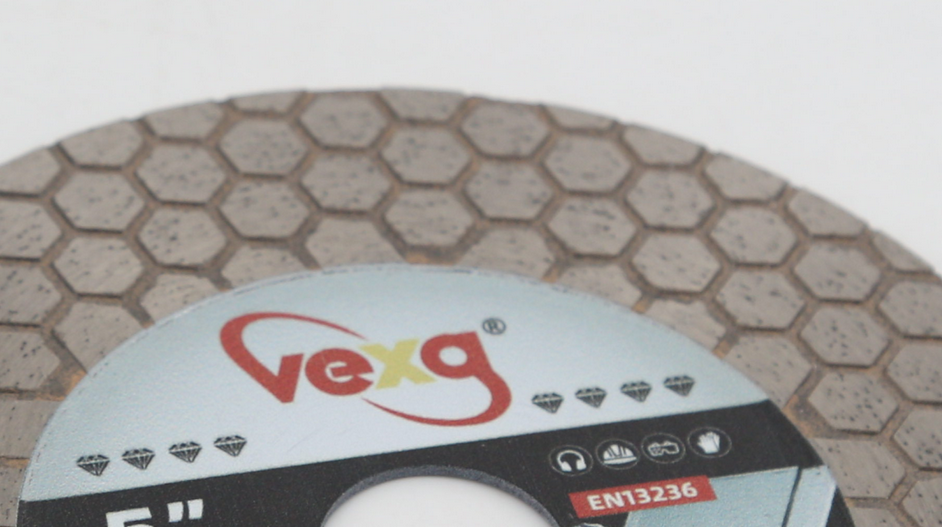
Reflecting on two decades in the abrasives industry, I've observed a persistent misconception in professional fabrication: the belief that "Hardness" is the ultimate metric of a cutting tool. In the early 2000s, we were obsessed with Mohs scale numbers. If it was hard, it was good.
But as we navigate the complexities of 2026—characterized by the rise of ultra-high-strength alloys and delicate, high-value sintered stones—that paradigm has shifted. Today, the most critical factor in abrasive performance isn't just the hardness of the grit; it is the Thermal Conductivity and Dissipation Geometry of the Matrix.
The Physics of the "Glazing" Trap
One of the most frequent issues I've consulted on over the last 20 years is "Glazing." This occurs when the metal or resin bond is too resistant to the material being cut. Instead of wearing away to expose fresh diamond or ceramic grains, the bond smears, creating a smooth, reflective surface.
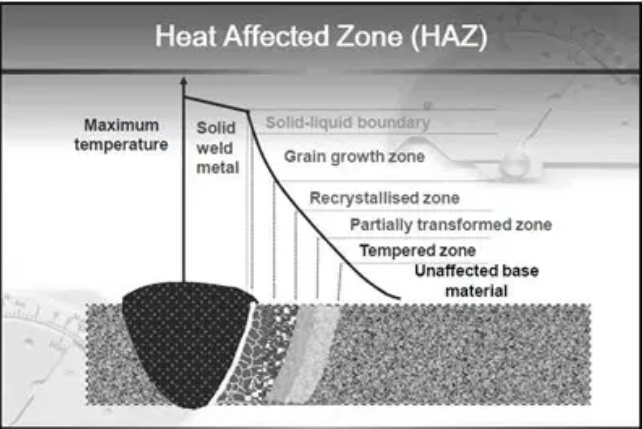
From a thermodynamic perspective, this is a disaster. The friction coefficient skyrockets, converting kinetic energy into heat rather than material removal. On a stainless steel workpiece, this leads to the dreaded "Heat-Affected Zone" (HAZ), compromising the metallurgical integrity of the metal. In B2B procurement, we often calculate the cost per disc, but we rarely calculate the cost of the Rework caused by thermal damage.
Micro-Fracturing: The Self-Sharpening Revolution
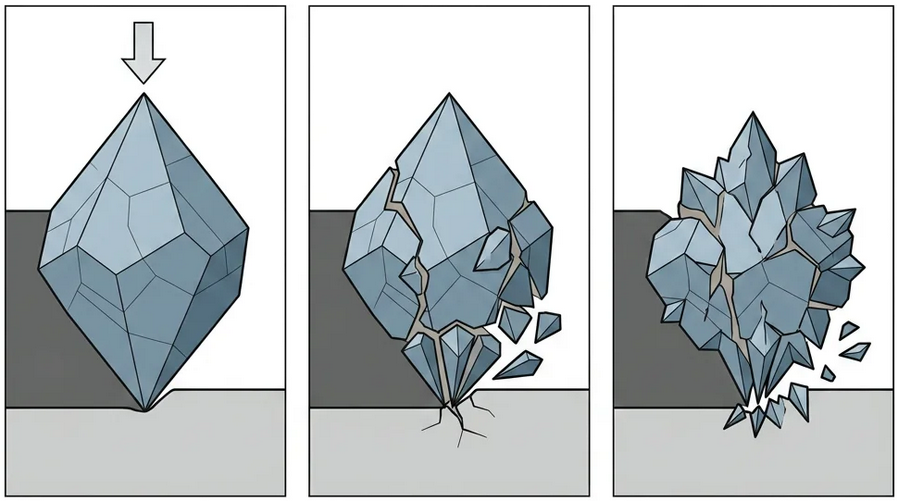
The real breakthrough we are seeing in 2026 lies in Grain Persistence Control. Modern ceramic abrasives and premium diamond tools are no longer designed to be "indestructible." They are designed to be "Sacrificial."
The secret is Micro-crystalline Fracturing. Unlike traditional aluminum oxide, which dulls over time, micro-crystalline grains are engineered to fracture under specific pressure thresholds. Every time a grain hits the workpiece, it breaks at a microscopic level to reveal a fresh, razor-sharp edge. This ensures that the cutting force remains constant throughout the life of the tool. When we talk about "Professional Focus," this is what we mean: engineering the tool to manage its own decay for the sake of the user's precision.
Geometric Heat Sinks: Why Patterns Matter
Furthermore, we must discuss the role of Segment Geometry. Whether it is a "Honeycomb" soccer-wave on a sintered stone blade or a specific slotting pattern on a laser-cut core, these are not aesthetic choices. They are Heat Sinks.
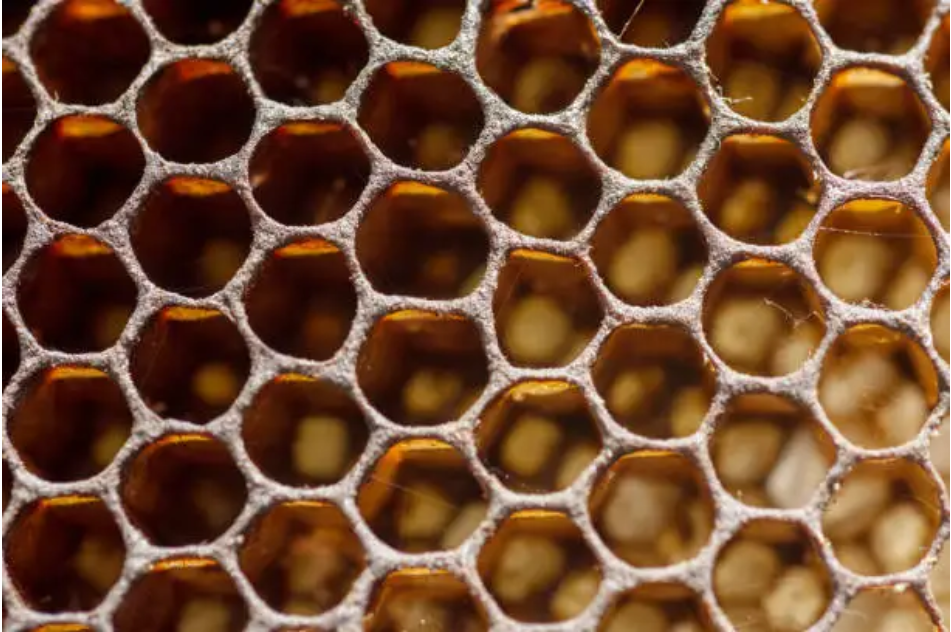
In high-speed rotations exceeding 80m/s, airflow becomes a critical component of the tool. Specialized mesh and slot patterns create a micro-vortex that strips away dust and heat simultaneously. By reducing the temperature at the point of contact by even 15%, we can extend the life of the bond by up to 30%. This is the "Friction Economy"—where better geometry directly translates to lower operational overhead.
The 2026 Mandate
As the industry moves toward greener, more efficient manufacturing, the focus must shift from "How much does the tool cost?" to "How does the tool behave under stress?"
True innovation in our field is silent. It's found in the lack of vibration in the operator's hand, the absence of blue discoloration on the stainless steel, and the identical performance of the millionth disc compared to the first.
I am curious to hear from my colleagues in global fabrication: Are you still prioritizing "Hardness" in your procurement, or have you moved toward "Thermal Management"?


