

Chipping Is Not a Blade Problem — It's a System Problem
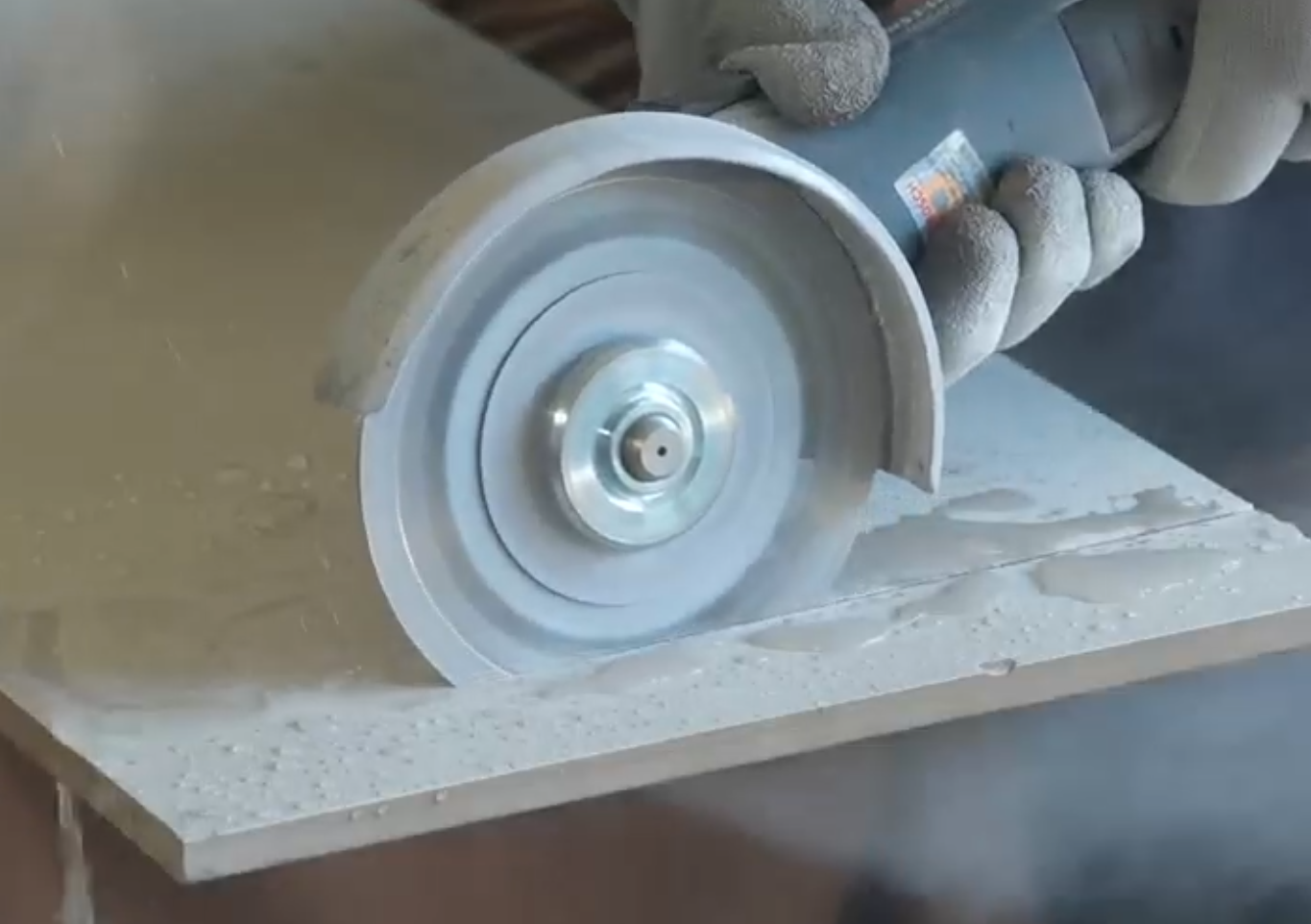
In tile and porcelain cutting, edge chipping is often blamed on operator skill or machine quality.
In reality, chipping is usually the result of an imbalance between three factors:
Cutting force
Heat generation
Segment geometry
Understanding these interactions is often more important than simply choosing a "sharper" blade.
1. Kerf Thickness Controls Lateral Stress
Every diamond blade creates lateral pressure as it enters the material.
When the kerf becomes unnecessarily wide, more material must be displaced during cutting. This increases stress around the cutting zone and raises the probability of edge fractures.
For brittle materials such as porcelain, sintered stone and Dekton, minimizing unnecessary cutting resistance is often the first step toward cleaner edges.
VEXA Engineering Insight
Our Turbo Mesh Blade Series uses an ultra-thin 1.2 mm kerf design to reduce cutting resistance while maintaining sufficient rigidity for high-speed operation.
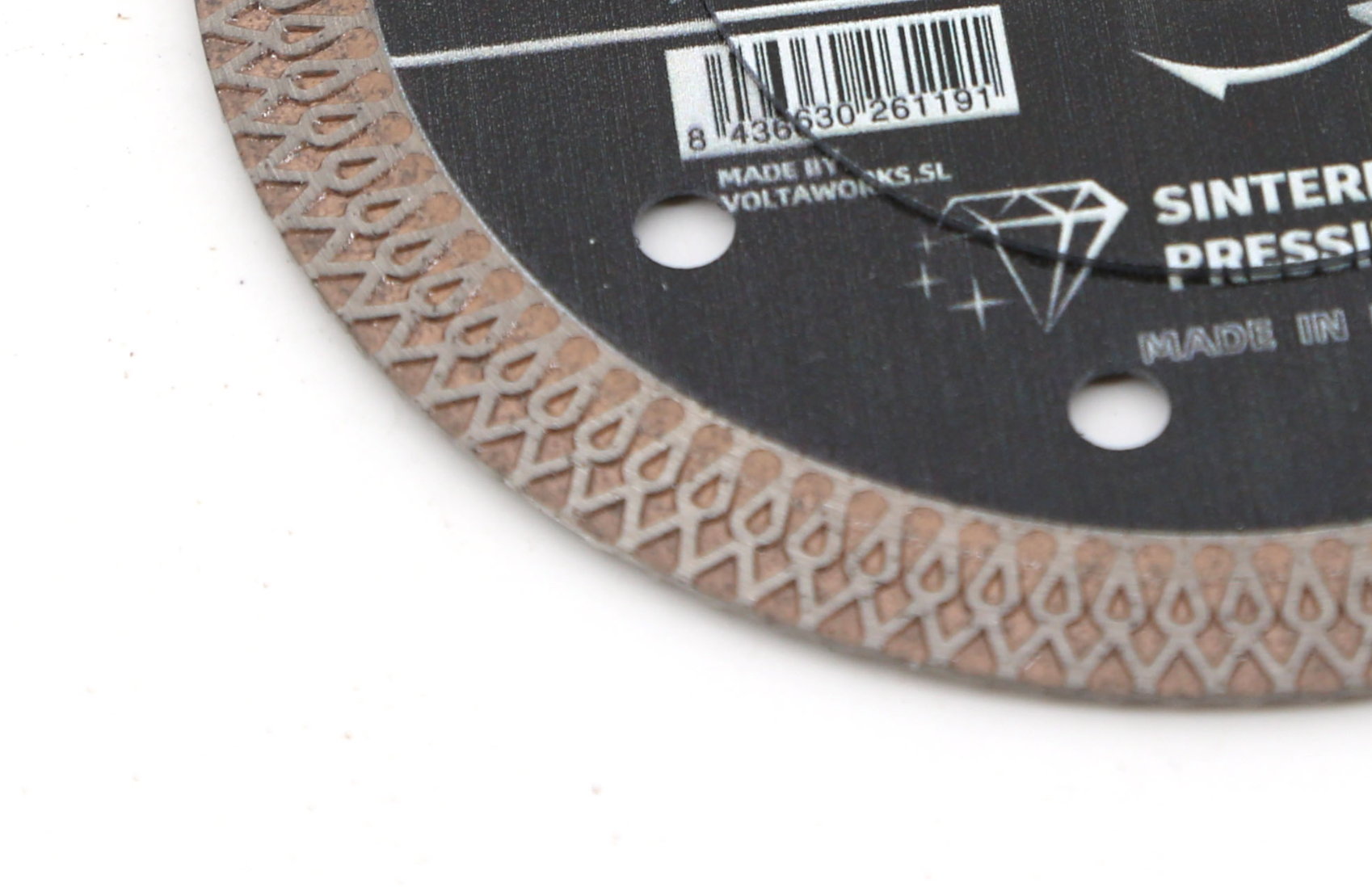
The objective is not simply faster cutting, but lower stress concentration at the edge.
2. Segment Geometry Influences Cutting Stability
Many users focus on diamond concentration while overlooking segment design.
In practice, segment geometry determines how force is distributed across the cutting path.
Poor force distribution creates localized pressure spikes, which often become the starting point of edge chipping.
VEXA Engineering Insight
The Honeycomb Super-Wide Series utilizes a wider segment structure combined with optimized cooling channels.
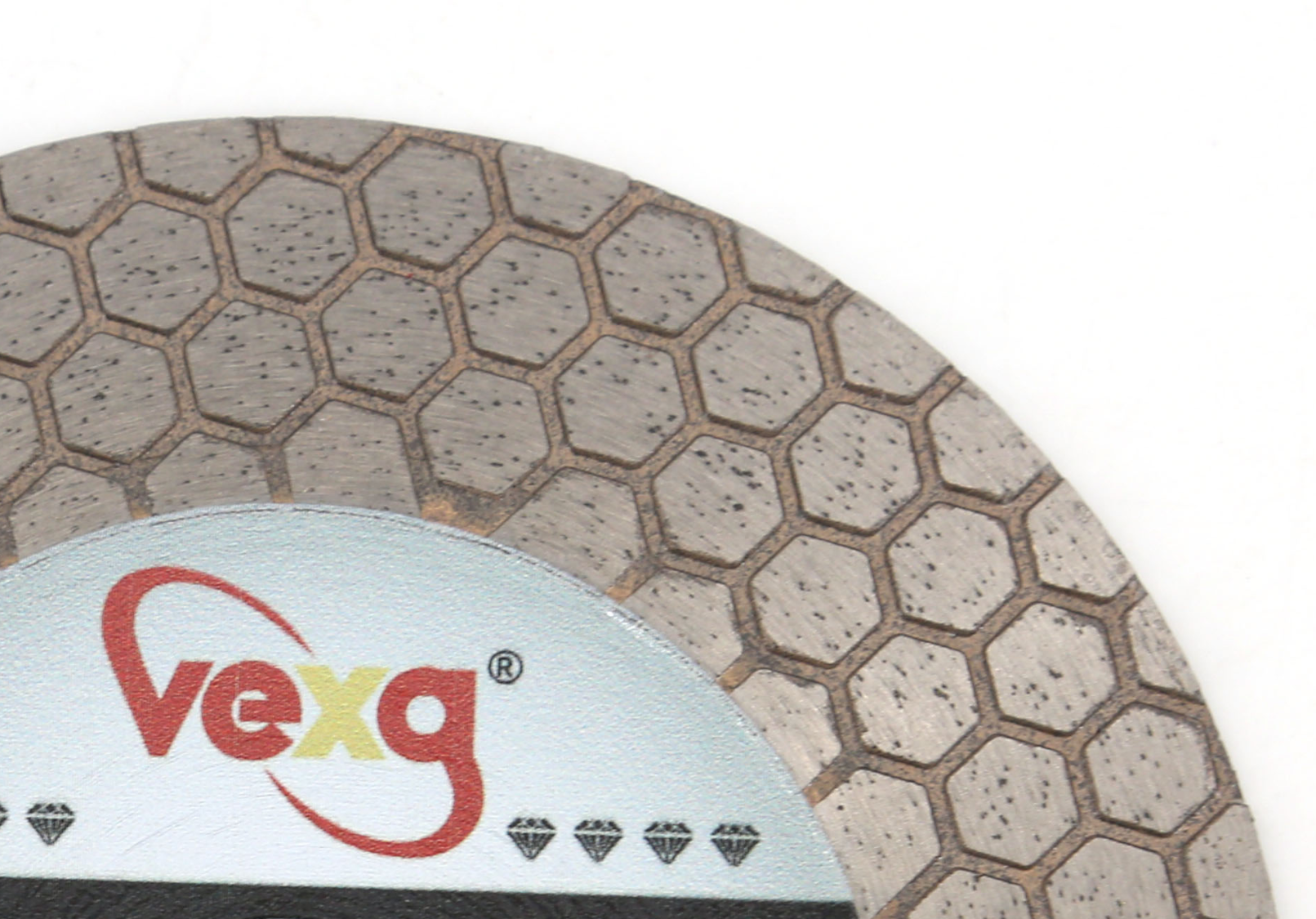
This design helps distribute grinding forces more evenly while improving debris evacuation and heat dissipation.
The result is greater stability during chamfering and edge finishing operations.
3. Heat Is Often the Hidden Cause of Chipping
A blade does not chip material only through force.
It also introduces heat.
When heat accumulates near the cutting zone, thermal expansion creates additional internal stress inside the material.
This is particularly critical when processing porcelain slabs and engineered stone.
VEXA Engineering Insight
Our laser-welded slotting blades combine a thin-profile design with high joint strength.
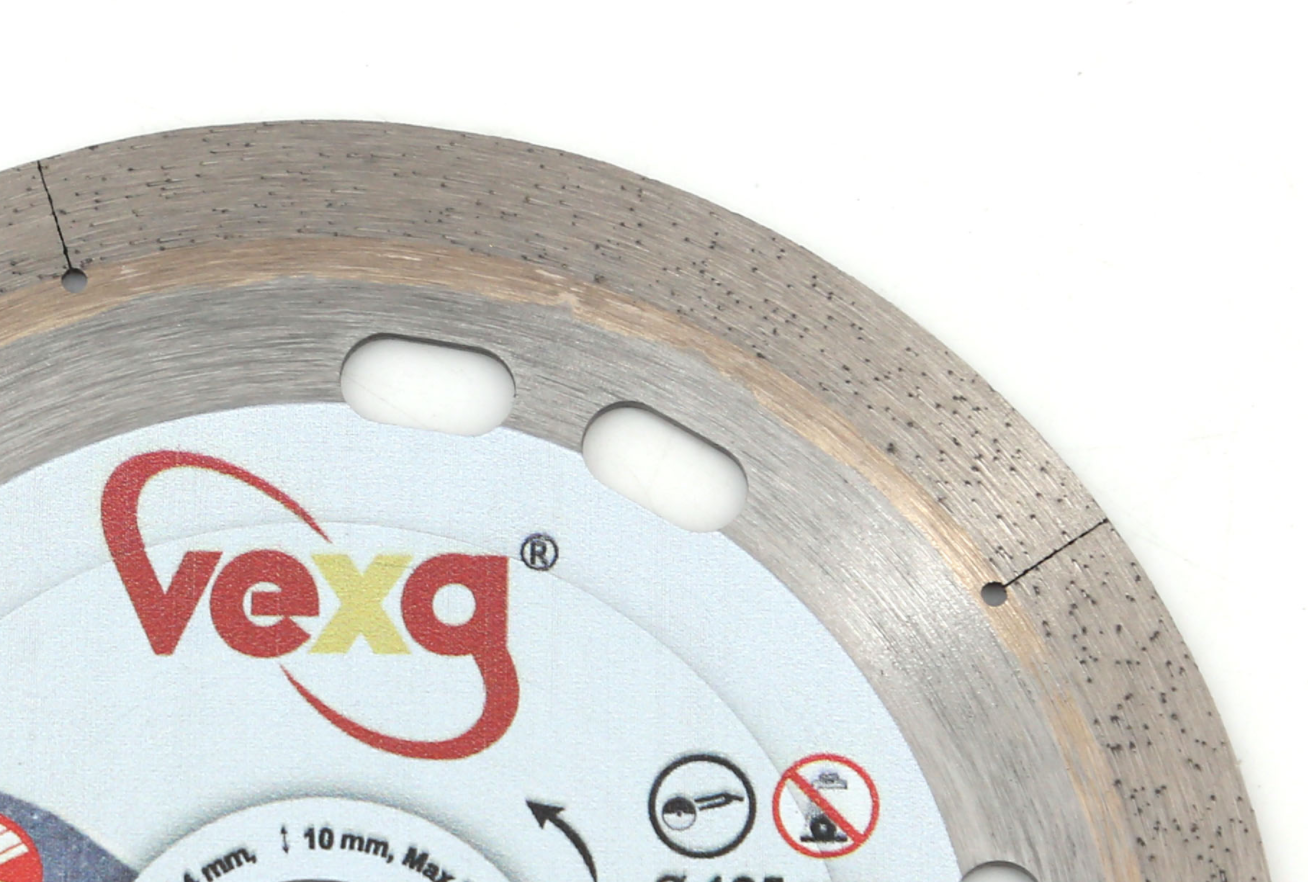
The objective is to maintain structural stability under continuous operation while reducing vibration and heat accumulation.
This contributes to cleaner cuts and longer blade life.
Beyond Sharpness: Understanding Cutting Efficiency
The best cutting blade is not necessarily the blade with the highest diamond concentration.
It is the blade that maintains the most stable balance between:
Cutting force
Heat management
Structural rigidity
When these factors work together, cleaner edges, higher productivity and longer service life naturally follow.
At VEXA, our product development focuses on engineering this balance rather than simply increasing diamond content.
VEXA — Professional Through Focus.


